
BC Conservation Data Centre: Species Summary
Ambystoma gracile
Northwestern Salamander
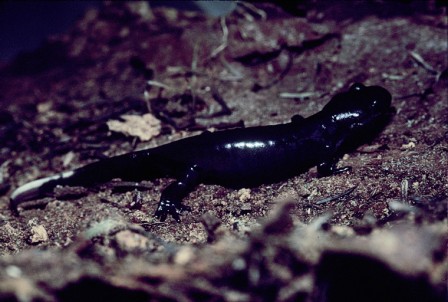
| Scientific Name: | Ambystoma gracile (Baird, 1857 [1859]) | ||||||||||
|---|---|---|---|---|---|---|---|---|---|---|---|
| English Name: | Northwestern Salamander | ||||||||||
| Classification / Taxonomy | |||||||||||
| Scientific Name - Concept Reference: | Frost, D. R. 1985. Amphibian species of the world. A taxonomic and geographical reference. Allen Press, Inc., and The Association of Systematics Collections, Lawrence, Kansas. v + 732 pp. | ||||||||||
| Classification Level: | Species | ||||||||||
| Species Group: | Vertebrate Animal | ||||||||||
| Species Code: | A-AMGR | ||||||||||
|
|||||||||||
| Conservation Status / Legal Designation | |||||||||||
| Global Status: | G5 (May 2016) | ||||||||||
| Provincial Status: | S4 (Mar 2022) | ||||||||||
| BC List: | Yellow | ||||||||||
| Provincial FRPA list: | |||||||||||
| Provincial Wildlife Act: | |||||||||||
| COSEWIC Status: | Not at Risk (May 1999) | ||||||||||
| SARA Schedule: | |||||||||||
| General Status Canada: | 4 - Secure (2005) | ||||||||||
| Ecology & Life History | |||||||||||
| General Description: | |||||||||||
| Global Reproduction Comments: | Breeding season is variable; begins as early as January in south, extends as late as July in north or at higher elevations. Lays masses of 15-35 eggs or 100-200 eggs, which hatch in 2-4 weeks. Larval period lasts 1-2 years. Montane populations often paedomorphic, some obligately so; incidence of paedomorphosis is positively correlated with increasing elevation, stability of the aquatic habitat, lack of fishes, and slower larval growth rates. Metamorphic and paedomorphic individuals may coexist in the same population. | ||||||||||
| Global Ecology Comments: | Preyed on by introduced trout, which reduce salamander abundance. | ||||||||||
| Migration Characteristics: (Global / Provincial) | |||||||||||
|
Nonmigrant: Local Migrant: Distant Migrant: Within Borders Migrant: |
N / Y / N / na / |
||||||||||
| Global Migration Comments: | Nonpaedomorphic populations migrate between breeding and nonbreeding habitats; usually migrates on rainy nights. | ||||||||||
| Habitats: (Type / Subtype / Dependence) |
Forest / Conifer Forest - Moist/wet / Obligate
Forest / Deciduous/Broadleaf Forest / Facultative - occasional use Lakes / Lake / Obligate Lakes / Pond/Open Water / Obligate Riparian / Riparian Forest / Facultative - frequent use Stream/River / Stream/River / Facultative - frequent use Subterranean / Sub-soil / Facultative - frequent use Wetland / Bog / Obligate Wetland / Fen / Obligate Wetland / Marsh / Obligate Wetland / Swamp / Obligate |
||||||||||
| Global Habitat Comments: | Open grassland, woodland, and forest near breeding ponds. Nonpaedomorphic adults are underground most of the year. During the breeding season, they often are found under rocks and logs. Larvae have been reported to be restricted to shallows in lakes with fishes, but adult and larval northwestern salamanders are distasteful to fishes and bullfrogs, allowing coexistence (Leonard et al. 1993). Eggs are laid in ponds, lakes, and slow-moving streams; usually attached to vegetation in shallows (Blaustein et al. 1995) or deeper water (e.g., 0.5-1.0 m below water surface) (Nussbaum et al. 1983). | ||||||||||
| Food Habits: |
Invertivore: Adult, Immature
|
||||||||||
| Global Food Habits Comments: | Larvae feed on zooplankton as well as many other aquatic invertebrates. Diet of terrestrial adults is not well documented, but they apparently feed on a wide variety of terrestrial invertebrates (Nussbaum et al. 1983). | ||||||||||
| Global Phenology: |
Circadian: Adult, Immature
Hibernates/aestivates: Adult, Immature Nocturnal: Adult, Immature |
||||||||||
| Global Phenology Comments: | Nonpaedomorphic adults seldom seen except when breeding. Active day and night in deep water where fish absent; strictly nocturnal where fish present (Taylor 1984). | ||||||||||
| Provincial Phenology: (1st half of month/ 2nd half of month) |
|||||||||||
| Colonial Breeder: | Y | ||||||||||
| Length(cm)/width(cm)/Weight(g): | 22/ / | ||||||||||
| Elevation (m) (min / max): |
Global:
Provincial: |
||||||||||
| Distribution | |||||||||||
| Endemic: | N | ||||||||||
| Global Range Comment: | Range includes the Pacific coast of North America from extreme southeastern Alaska south through western Canada and the northwestern United States (mainly west of the Cascades) to the Gualala River, California, at elevations from sea level to about 10,200 feet (3,110 meters) (Stebbins 2003). | ||||||||||
| Authors / Contributors | |||||||||||
| Global Information Author: | Hammerson, G. | ||||||||||
| Last Updated: | Sep 19, 1994 | ||||||||||
| Provincial Information Author: | |||||||||||
| Last Updated: | |||||||||||
| References and Related Literature | |||||||||||
Behler, J. L., and F. W. King. 1979. The Audubon Society field guide to North American reptiles and amphibians. Alfred A. Knopf, New York. 719 pp. |
|||||||||||
Blaustein, A. B., B. Edmond, J. M. Kiesecker, J. J. Beatty, and D. G. Hokit. 1995. Ambient ultraviolet radiation causes mortality in salmander eggs. Ecological Applications 5:740-743. |
|||||||||||
Jones, T. R., A. G. Kluge, and A. J. Wolf. 1993. When theories and methodologies clash: a phylogenetic reanalysis of the North American ambystomatid salamanders (Caudata: Ambystomatidae). Systematic Biology 42:92-102. |
|||||||||||
Kraus, F. 1988. An empirical evaluation of the use of the ontogeny polarization criterion in phylogenetic inference. Systematic Zoology 37:106-141. |
|||||||||||
Nussbaum, R.A., E.D. Brodie, Jr., and R.M. Storm. 1983. Amphibians and Reptiles of the Pacific Northwest. University Press of Idaho, Moscow, Idaho. 332 pp. |
|||||||||||
Ovaska, K, S. Lennart, C Engelstoft, L. Matthias, E. Wind and J. MacGarvie. 2004. Best Management Practices for Amphibians and Reptiles in Urban and Rural Environments in British Columbia. Ministry of Water Land and Air Protection, Ecosystems Standards and Planning, Biodiversity Branch |
|||||||||||
Shaffer, H. B., J. M. Clark, and F. Kraus. 1991. When molecules and morphology clash: a phylogenetic analysis of the North American ambystomatid salamanders (Caudata: Ambystomatidae). Systematic Zoology 40:284-303. |
|||||||||||
Snyder, R.C. 1956. Comparative features of the life his- tories of Ambystoma gracile (Baird) from populations at low and high altitudes. Copeia 1956(1):41-50. |
|||||||||||
Snyder, R.C. 1963. Ambystoma gracile. Catalogue of American Amphibians and Reptiles. 6:1-2. |
|||||||||||
Stebbins, R. C. 1985a. A field guide to western reptiles and amphibians. Second edition. Houghton Mifflin Company, Boston, Massachusetts. xiv + 336 pp. |
|||||||||||
Taylor, J. 1984. Comparative evidence for competition between the salamanders Ambystoma gracile and Taricha granulosa. Copeia 1984:672-683. |
|||||||||||
Titus, T. A. 1990. Genetic variation in two subspecies of Ambystoma gracile (Caudata: Ambystomatidae). J. Herpetol. 24:107-111. |
|||||||||||
Titus, T. A., and M. S. Gaines. 1991. Genetic variation in coastal and montane populations of Ambystoma gracile (Caudata: Ambystomatidae). Occas. Pap. Mus. Nat. Hist. Univ. Kansas 141:1-12. |
|||||||||||
Waters, D.L. 1992. Habitat associations, phenology, and biogeography of amphibians in the Stikine River basin and southeast Alaska. Unpubl. rep. of the 1991 pilot project. U.S. Dept. Interior, Fish and Wildlife Service, California Cooperative Fishery Research Unit, Humboldt State University, Arcata, CA. 61 pp. |
|||||||||||
Please visit the website Conservation Status Ranks for definitions of the data fields used in this summary report.
Suggested Citation:
B.C. Conservation Data Centre. 1994. Species Summary: Ambystoma gracile. B.C. Minist. of Environment. Available: https://a100.gov.bc.ca/pub/eswp/ (accessed Feb 15, 2026).